
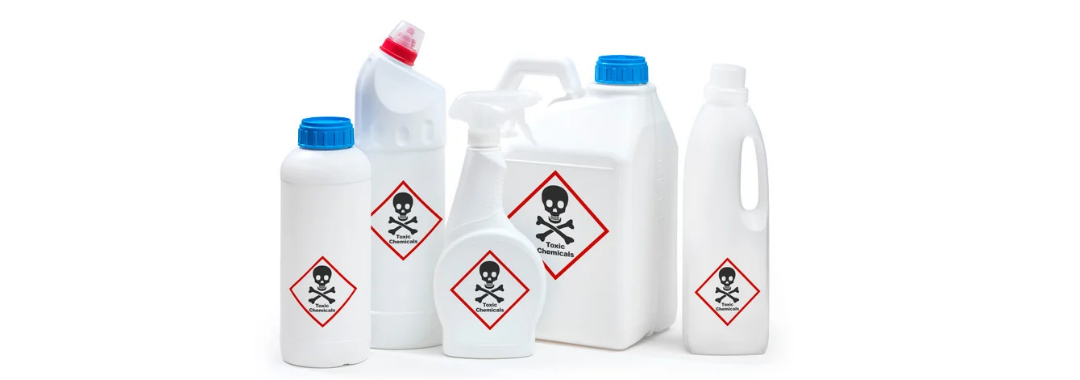
Tips for Toxic Chemical Safety
Several chemicals that you are likely to encounter at Alera Group, including glutaraldehyde, formaldehyde and disinfecting liquids, are hazardous to your health and can cause illness and injury if they are not handled correctly. Before you begin working with any chemical, identify its potential hazards, become familiar with how to best protect yourself and be aware of the procedures to follow if something goes wrong.
General Safety Precautions
The manufacturer’s label and Safety Data Sheets (SDS) for each chemical you handle provide important information regarding hazards, the use of personal protective equipment (PPE), proper handling, transport, storage and disposal of chemicals. Each time you encounter a chemical, read this information and take the appropriate precautions. In addition, the following recommendations apply when working with any toxic chemical.
- Wear the appropriate PPE when handling chemicals. The two most common ways that chemicals enter the body are through the skin and through inhalation. PPE such as coveralls and respirators are designed to protect you.
- Use the least hazardous chemical option for the task at hand and prepare only the amount that is absolutely necessary for completing the job.
- Never eat, drink, smoke or apply cosmetics while working with chemicals.
- Make sure that the equipment used to apply chemicals is in good working order and does not have any leaks.
- Do not work alone.
- Ensure proper ventilation in the area where you will be using the chemical.
- Do not store chemicals in unlabeled containers, or those that previously held food, drink or other chemicals. Unexpected chemical reactions that release potentially toxic fumes can result.
- Wash your body thoroughly after using chemicals and before eating, drinking, smoking or using the restroom.
Exposure
Exposure to cleaning products usually occurs from inhalation of vapors or mists, or by skin or eye contact with the chemicals. The most common effect is irritation—pain and inflammation, sometimes accompanied by redness and swelling—of the skin, eyes or respiratory tract. The site and severity of the irritation depends on:
- The type of chemical used
- How the chemical was being used
- How the chemical came in contact with the body
If a co-worker is exposed to a toxic chemical, consult the SDS and the product label before taking action. The correct response to exposure is as important as immediate action. The best first aid for skin or eye contact is to wash the affected area with water for at least 10 minutes. For inhalation exposures, the person should be moved to an area of fresh air and medical attention should be sought if symptoms persist.
When to Get Help
If the injured or ill person is having trouble breathing, is having convulsions or is unconscious, provide the necessary first aid and seek emergency care.
When seeking care for a victim of exposure, keep the chemical container handy to accurately instruct the health care professional about the type of exposure the person has experienced.
This safety matters flyer is for general informational purposes only, and is not intended as medical or legal advice. © 2010, 2014, 2019 Zywave, Inc. All rights reserved.