
Repositioning a Patient Each year, an estimated 1 million to 3 million U.S. patients suffer from pressure injuries—such as pressure sores, bedsores or pressure ulcers—according to the National Institutes of Health. While some pressure injuries are unavoidable, most can be prevented through patient repositioning. Patient repositioning consists of moving a patient from one position into […]
Continue readingCategory Archives: Safety Matters
Safety Matters | Tips for Toxic Chemical Safety
Tips for Toxic Chemical Safety Several chemicals that you are likely to encounter at Alera Group, including glutaraldehyde, formaldehyde and disinfecting liquids, are hazardous to your health and can cause illness and injury if they are not handled correctly. Before you begin working with any chemical, identify its potential hazards, become familiar with how to […]
Continue reading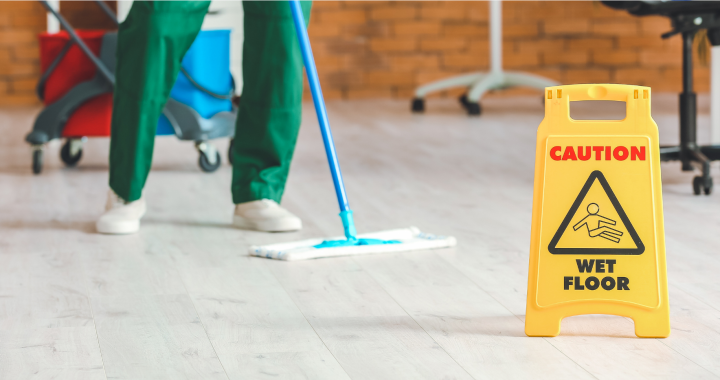
Safety Matters | Prevent Slips and Falls at Your Workplace
Prevent Slips and Falls at Your Workplace A janitorial employee was scrubbing a hallway with water and a cleaning agent. An observant worker realized that soon, dozens of employees would be going down this hallway on their way to the timeclock. In addition to a slip hazard, a continually wet surface promotes the growth of […]
Continue reading
Safety Matters | Avoid Injury – Practice Safe Lifting
Avoid Injury – Practice Safe Lifting Lifting—whether it be patients or heavy medical equipment—is a common activity in a health care setting, and it is often forgotten that there are proper techniques that need to be followed to avoid injury. In fact, lower back injuries are the most common work-related injury cited by the Occupational […]
Continue reading
Safety Matters | Health Care: Safety Precautions for Handling Human Remains
Safety Precautions for Handling Human Remains Employers and workers face a variety of health hazards when handling or working near human remains. Those directly involved in recovery or other efforts that require the handling of remains are susceptible to bloodborne viruses (hepatitis and HIV) and bacteria that can cause diarrheal diseases (shigella and salmonella). Follow […]
Continue reading
Safety Matters | Elevator Best Practices
Elevator Best Practices Millions of employees use elevators each day at work. While elevators are considered one of the safest forms of transportation, it is important to follow best practices and safety precautions when using an elevator. Boarding the Elevator Take note of the following procedures for entering an elevator: Make sure you are aware […]
Continue reading
Safety Matters | Reduce Workplace Accidents
Reduce Workplace Accidents When you’re working with and around patients all day, the potential for safety hazards is extensive. However, many accidents can be avoided by following safety procedures and taking appropriate precautions. Be Aware of Safety Hazards Most accidents are caused by an unsafe act, an unsafe condition or a combination of the two. […]
Continue reading
Safety Matters | PPE for Injury and Illness Prevention
PPE for Injury and Illness Prevention The American health care system is one of the largest industries in the country, and with about 18 million workers today, it is the fastest-growing sector of the U.S. economy. Fortunately, injuries and illnesses have been decreasing for the health care industry, but that doesn’t mean you can take […]
Continue reading
Safety Matters | Different Type of Lift Aids
Different Types of Lift Aids Properly using lift aids can improve both your safety and the patient’s safety during transfers. There are several types of lift aids, and it is essential to know when and how to use them correctly. Two Main Operations of Lifts Lift aids can generally be classified into two main categories: […]
Continue reading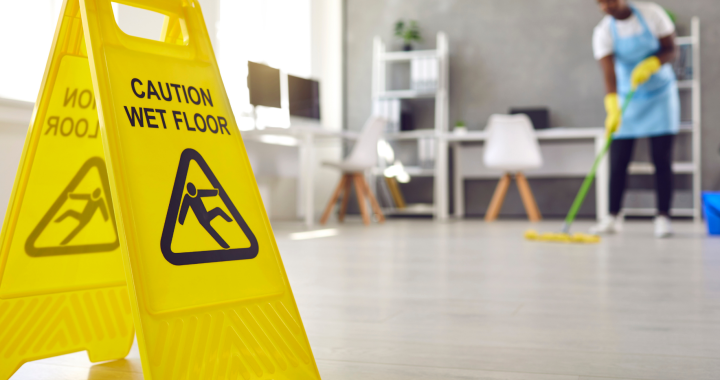
Safety Matters | Wet Weather and Work Surfaces
Wet Weather and Work Surfaces Wet weather can be a nuisance. It makes travel difficult and causes wet messes in the buildings and places you work. Moreover, the wet walking surfaces it creates both indoors and outdoors present a serious slipping hazard for you and your co-workers. In fact, surfaces that are wet for any […]
Continue reading