
The Dietary Guidelines for Americans, 2025-2030
Nutrition is the foundation of health, influencing growth, disease prevention and overall well-being throughout life. Because dietary habits can shape long-term health outcomes, the U.S. Department of Health and Human Services and the U.S. Department of Agriculture publish nutrition advice every five years. This guidance, the Dietary Guidelines for Americans (DGA), is the foundation for dozens of federal feeding programs that support school meals, military and veteran meals, and other child and adult nutrition programs.
The DGA highlights the latest research on diet and chronic disease prevention, aiming to help Americans make informed choices about their nutrition. The 2025-2030 edition reflects the latest in nutrition science and public health needs, marking what public health officials describe as the most “significant reset” of federal nutrition policy in decades.
Major Guideline Changes
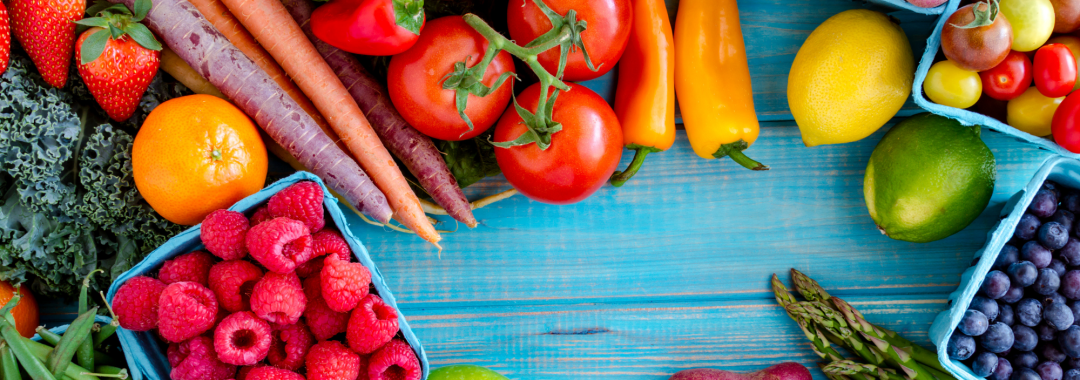
At its core, the new dietary guidance emphasizes a simple directive: “Eat real food.” The document encourages Americans to prioritize whole, nutrient-dense foods—such as high-quality proteins, fruits, vegetables, healthy fats, dairy and whole grains—while drastically reducing ultra-processed foods (UPFs) that are loaded with added sugars, sodium, unhealthy fats and artificial additives.
The 2025-2030 guidelines define “real food” as whole, nutrient-dense and naturally occurring, and place it back at the center of Americans’ diets. Here are the most significant changes to the DGA from the previous recommendations:
- The New Pyramid—The latest update includes images of an inverted pyramid that puts meats, cheese and vegetables in the widest part at the top, flipping a long-standing visual of the American diet and shifting away from the circular MyPlate guidance. The New Pyramid is meant to help Americans eat real, whole foods more consistently. It prioritizes nutrient-dense food and reduces reliance on highly processed products. This flexible framework is designed to guide better choices rather than dictate specific meals.
- Highly processed foods—For the first time, the guidelines specifically call out UPFs. Americans are advised to avoid packaged and ready-to-eat foods that are salty or sweet (e.g., chips, cookies and candy) and to limit foods and beverages with artificial flavors, dyes, preservatives and sweeteners.
- Protein—The new guidelines prioritize protein at every meal, with a goal of 1.2 to 1.6 grams per kilogram of a person’s body weight daily. Americans are encouraged to obtain their protein from both animal sources (e.g., eggs, poultry, seafood and red meat) and plant-based sources (e.g., beans, peas, lentils, legumes, nuts, seeds and soy). This recommendation is nearly double from the previous 8 grams of protein per kilogram of body weight.
- Dairy—The updated version prioritizes full-fat dairy with no added sugars, marking a major shift from the long-standing recommendation for fat-free or low-fat milk and yogurt. The new DGA also recommends three daily servings instead of three daily cups. This update could have a significant impact on school lunch programs, which are currently offering fat-free or low-fat milk.
- Added sugars—The DGA notes that no amount of added sugar is healthy. As such, adults should limit their intake to no more than 10 grams per meal. The guidelines also recommend that no amount of added sugar is suitable for children aged 5 to 10. The previous general recommendation was to limit added sugars to less than 10% of daily calories.
- Healthy fats—The latest update calls for Americans to get the bulk of their fat from whole-food sources, such as meats, poultry, eggs, omega-3-rich seafood, nuts, seeds, full-fat dairy, olives and avocados. When cooking with or adding fats to meals, the guidelines encourage Americans to use “healthy fats,” such as olive oil, butter and beef tallow, instead of the previously recommended olive, canola, corn, soybean or sunflower oils.
- Alcohol—Previous guidelines explicitly limited alcohol consumption to one drink per day for women and two for men. In contrast, the general recommendation now is to simply limit alcohol consumption without providing exact figures. The current guidelines also note that alcohol should be avoided by people who are pregnant, recovering from alcohol use disorder and unable to control the amount they drink.
While no major changes were made to the fruit and vegetable recommendations, it’s still important to note that individuals should get three servings of vegetables and two servings of fruit per day for a typical 2,000-calorie diet. However, the latest guidelines do emphasize eating whole foods in their original form, but also note that “frozen, dried or canned vegetables or fruits with no or very limited added sugars can also be good options.”
The guidelines were also largely unchanged regarding whole grains. The previous and current guidelines encourage replacing refined grains with whole grains. The latest advice also states to “significantly reduce the consumption of highly processed, refined carbohydrates, such as white bread, ready-to-eat or packaged breakfast options, flour tortillas and crackers.”
For More Information
To learn more about the current DGA and specific recommendations, visit RealFood.gov.
Keep in mind that the best diet advice will vary depending on an individual’s health profile, so it’s essential to consult a professional before making any dietary changes. Reach out to a health care professional with any questions or for personalized dietary guidance.
This article is for informational purposes only and is not as medical advice. For further information, please consult a medical professional. © 2026 Zywave, Inc. All intended rights reserved.